
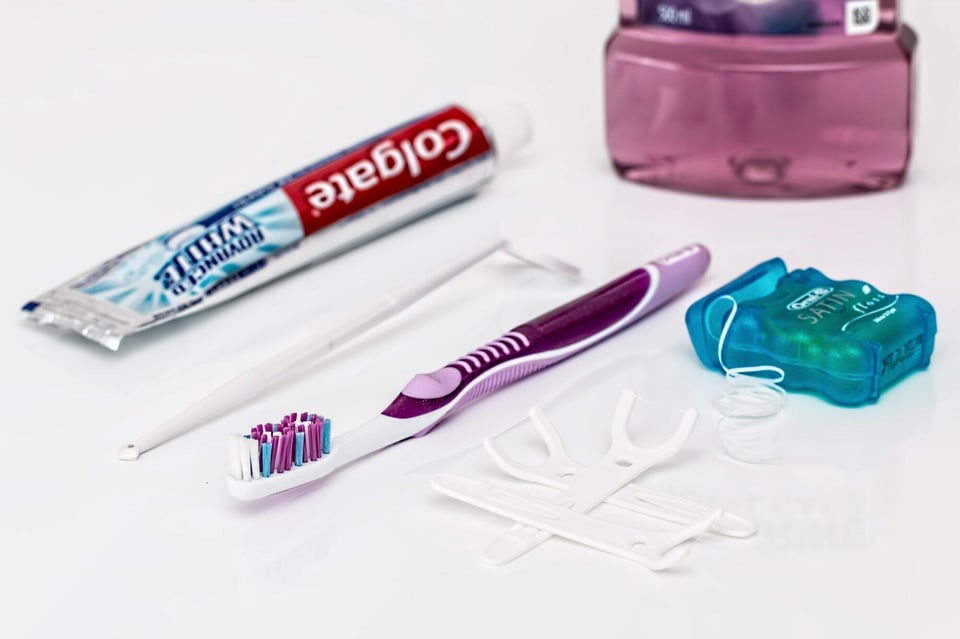
Flossing and heart health are connected through reduced gum inflammation, which lowers strain on the cardiovascular system. Flossing also lowers harmful oral bacteria and supports healthier blood vessels as you age. Daily flossing helps control systemic inflammation and may reduce heart disease risk over time.
According to Humble Memorial Dental Group, seniors with poor oral health face a 30% higher heart disease risk. Sadly, older adults may find it harder to maintain dental hygiene due to issues like fatigue, vision changes, or memory challenges. A move to Bennett Place Assisted Living in Albany, IN, can ease those daily struggles.
Our caregivers assist with grooming routines, oral care reminders, and personalized support. With daily help and engaging activities, you can protect your oral health and overall wellness.
Is Mouthwash as Effective as Flossing?
Mouthwash freshens breath and reduces surface bacteria, but misses plaque between teeth. Flossing reaches tight spaces where brushes and rinses cannot remove buildup. Using both supports oral health for seniors by covering different parts of daily care.
Mouthwash adds support, yet flossing targets hidden areas affecting gums and circulation. Combining brushing, flossing, and rinsing strengthens protection against inflammation and infection risks.
What Are the Oral Health Problems in the Elderly?
The most common dental issues seniors face include:
- Gum recession
- Tooth decay
- Dry mouth
- Tooth sensitivity
- Loose teeth
- Denture irritation
Aging gums thin and pull back, allowing bacteria to collect near sensitive root areas. Consistent brushing and flossing limit plaque buildup linked to gum disease and the heart.
Hydration supports saliva flow, which protects enamel and reduces harmful bacterial growth. Regular dental visits help detect changes early and preserve comfort and function.
How Flossing Supports Heart Health in Older Adults
Teeth and gums change with age, becoming more sensitive and prone to inflammation. Reduced saliva, thinner enamel, and gum recession increase infection risks. Flossing limits bacterial spread, supporting aging and wellness through improved oral balance.
Lowers Harmful Oral Bacteria
Bacteria thrive in tight spaces between teeth without regular flossing. Removing plaque reduces harmful microbes linked to infection spread. Controlled bacteria levels protect:
- Gums
- Teeth
- Overall immune response
- Oral tissue
- Cardiovascular health
Maintaining cleaner spaces between teeth lowers the risk of infection and inflammation. Incorporating flossing into daily health routines for seniors supports stronger immunity and overall well-being.
Reduces Gum Inflammation
Inflamed gums can allow harmful bacteria to enter the bloodstream, affecting overall circulation. Daily flossing removes trapped food and plaque that irritate gum tissue. Healthier gums experience less swelling and bleeding, thereby easing cardiovascular strain.
Consistently maintaining gum health helps reduce systemic inflammation, supporting comfort and protecting multiple body systems. Over time, these habits contribute to stronger heart function and overall wellness, making oral care a key part of long-term health for older adults.
Supports Healthier Blood Vessels
Healthier vessels support:
- Circulation efficiency
- Oxygen delivery
- Nutrient transport
- Blood pressure balance
Strong blood vessels alleviate strain on the heart and other organs. Flossing and good oral care align with New Albany senior tips for overall wellness. Keeping vessels healthy also helps preserve energy, mobility, and long-term cardiovascular stability.
May Reduce Risk of Heart Disease
Cleaner gums reduce bacteria linked to plaque buildup inside arteries. Flossing supports heart protection through improved oral hygiene habits. The right environment can also help enhance cardiovascular health, lowering the risk of heart disease.
Consider a move to Bennett Place Assisted Living to enjoy social connections and receive support with daily living tasks. Small daily actions combined with supportive care provide lasting protection for your heart and overall wellness.
Helps Control Systemic Inflammation
Chronic gum irritation increases inflammation throughout the body. Flossing interrupts this cycle by calming the gum tissues.
Lower inflammation supports:
- Joint comfort
- Energy levels
- Heart function
- Digestive health
- Immune system balance
Calming the gum tissues helps the body manage stress and maintain overall wellness. Consistent flossing benefits multiple systems working together each day. Older adults can experience more stable energy and comfort with reduced inflammation.
Helps Manage Chronic Conditions
Chronic conditions like diabetes, arthritis, and heart disease can worsen when inflammation persists. Flossing helps maintain stability by reducing sources of oral infection. Following New Albany senior tips that focus on simple, consistent routines enhances daily well-being.
Regular oral care supports overall health balance, helping multiple systems function more effectively together. By combining preventive hygiene with mindful lifestyle habits, seniors can protect their comfort, energy, and long-term wellness.
Frequently Asked Questions (FAQs)
Can Certain Medications Impact Oral Bacteria Levels?
Yes, some medications can change the oral bacterial balance. Antibiotics may reduce harmful bacteria temporarily, but long-term use can also affect healthy oral microbes. Medications that cause dry mouth reduce saliva, which normally washes away bacteria.
Heart, blood pressure, and diabetes medications may indirectly increase gum inflammation. Regular flossing and brushing help maintain healthy oral bacteria despite medication effects. Consulting a dentist about medication side effects supports oral health for seniors.
Are Electric Flossers Better Than Traditional Floss for Older Adults?
Electric flossers can be easier for seniors with limited dexterity or arthritis. They reach tight spaces and remove plaque effectively. Traditional floss works well but requires fine motor skills.
Consistent use is key for either method. Electric devices may encourage more frequent cleaning, thus improving overall gum health and heart health.
How Do Diet Choices Influence Oral Inflammation?
Diet affects oral inflammation by feeding or limiting bacterial growth. Sugary foods promote plaque buildup and gum irritation. High-fiber foods, fruits, and vegetables support saliva production and gum health.
Adequate hydration also helps reduce inflammation. Balanced diets rich in vitamins, minerals, and antioxidants strengthen gums and teeth. Regular, healthy meals support daily health routines for seniors and reduce the risks of systemic inflammation affecting the heart.
Flossing and Heart Health: Protecting Wellness in Later Life
Flossing and heart health play a crucial role in reducing gum inflammation and supporting blood vessels. Regular flossing lowers harmful oral bacteria and helps control systemic inflammation.
At Bennett Place Assisted Living, we provide a supportive environment for seniors to maintain daily health routines. Our community is near major attractions like the Town Clock Church and New Albany National Cemetery. Veterans benefit from $1,000 off their second month through our special program.
We offer engaging events, wellness programs, and social outings. Schedule a tour today to experience care and connection in New Albany.