The best brain exercises for seniors work well when daily habits include movement, learning, and social connection. Simple routines like walking, reading, games, and conversation can help the mind stay active and engaged over time.
According to the National Library of Medicine, around two-thirds of Americans aged 70 and older have some cognitive impairment.
Aging brings changes, yet the brain keeps the ability to grow and adapt. Small actions done each day may help protect focus, recall, and emotional balance. Many older adults in Albany, IN, want practical ways to care for their mental health without feeling overwhelmed.
Brain health connects closely to mood, physical wellness, and relationships. Activities that feel enjoyable tend to last longer as habits. The goal involves supporting curiosity, purpose, and confidence at every stage of life.
What Are the Best Daily Brain Exercises for Seniors?
Daily brain exercises focus on engaging multiple parts of the mind. Reading the following encourages attention and comprehension:
- Books
- Newspapers
- Short articles
Writing letters, journaling, or making lists supports organization and recall. Crossword puzzles, word games, and number challenges offer light structure without pressure.
Movement also plays an important role. Walking while noticing surroundings engages both body and brain.
Dancing adds rhythm, coordination, and memory. Gentle stretching paired with breathing helps attention settle.
Learning something new provides strong cognitive support in aging. Language apps, music lessons, or simple technology skills introduce novelty. Cooking new recipes or trying a new hobby challenges planning and sequencing.
Conversation remains one of the most powerful tools. Sharing stories exercises recall and emotional processing.
Group discussions invite perspective-taking and listening skills. Even short daily chats can make a difference.
How Do Simple Habits Help Memory and Focus?
Memory improves through routine and repetition. Consistent wake times and meal schedules support mental clarity.
Keeping a daily planner reinforces organization and reduces stress. Writing things down helps reinforce memory habits in a natural way.
Sleep quality strongly affects focus. A calm bedtime routine prepares the brain for rest. Reading or soft music may help the mind slow down, and reducing distractions before bed supports better recall the next day.
Nutrition also plays a role. Balanced meals help maintain steady energy, while hydration supports attention and alertness. Mindful eating encourages awareness and presence.
Stress management protects memory and focus, while gentle breathing exercises calm the nervous system. Quiet reflection or prayer may bring emotional balance. Many of these mental wellness activities feel simple but carry lasting value.
Are Social and Creative Activities Good for Brain Health?
Social interaction challenges the brain in unique ways. Conversations require the following skills:
- Listening
- Responding
- Remembering details
Group games encourage cooperation and flexible thinking. Shared laughter boosts mood and mental engagement.
Creative outlets offer emotional expression and mental stimulation. Painting, crafting, or gardening engages problem-solving and fine motor skills.
Music stimulates multiple brain areas at once. Singing familiar songs often brings joyful memories to the surface.
Volunteering or mentoring adds purpose. Teaching skills or sharing life experiences supports confidence and meaning. Many senior enrichment ideas grow from helping others.
Creative and social activities support staying sharp with age because they combine thought, emotion, and connection. Enjoyment increases consistency, and consistency strengthens results.
How Can Seniors Build a Brain-Healthy Daily Routine?
A brain-healthy routine grows from simple, repeatable actions. Morning habits like light stretching or reading help the mind wake up gently. Midday activities may include:
- Conversation
- Puzzles
- Creative projects that encourage focus
Afternoon walks support both memory and mood. Evenings work well for reflection and calming tasks. Journaling, music, or quiet games help the brain unwind.
Regular sleep and meal times support consistency. Routines feel strongest when flexible and enjoyable. Small daily efforts often support long-term cognitive health more than occasional intense activities.
Frequently Asked Questions
What Are the Best Brain Games for Seniors?
The following works well for many older adults:
- Word puzzles
- Card games
- Board games
Games that involve strategy encourage planning and flexible thinking. Enjoyment matters more than difficulty level. Games played with others also support social connections.
How Often Should Seniors Do Brain Exercises?
Short daily sessions tend to work better than occasional long ones. Even ten to twenty minutes can be helpful.
Variety keeps the brain engaged and curious. Rest days still count when routines remain consistent.
Can Physical Activity Improve Brain Health?
Movement supports blood flow and mental clarity. The following activities can improve focus and mood:
- Walking
- Stretching
- Light exercise
Activities that involve coordination challenge the brain further. Consistency matters more than intensity.
Do Brain Exercises Prevent Memory Loss?
Brain exercises may support function and confidence over time. No activity guarantees prevention of decline.
Healthy habits can strengthen resilience and coping skills. Professional guidance helps when concerns arise.
Are Technology-Based Brain Apps Helpful for Seniors?
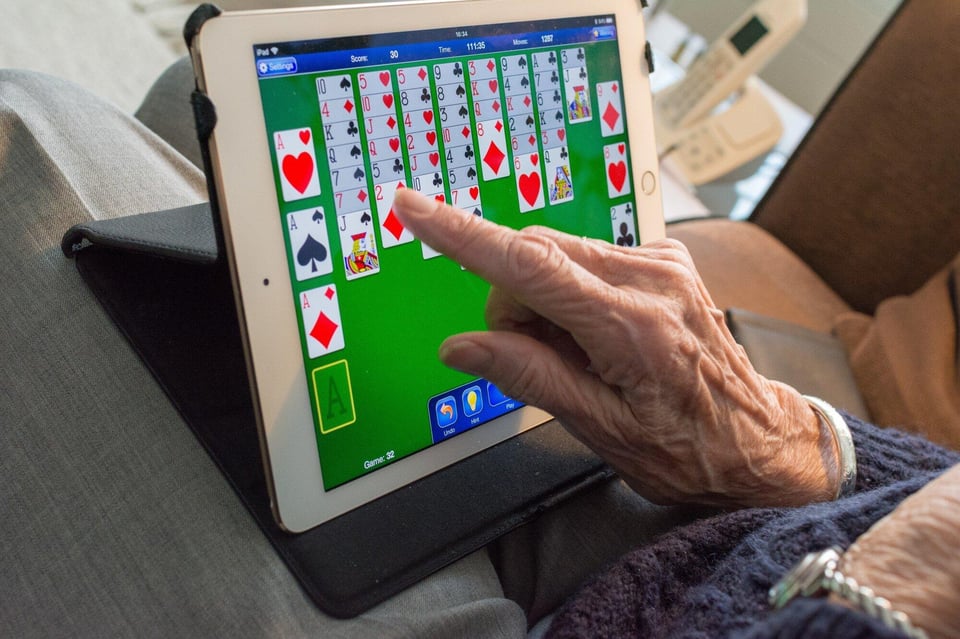
Apps can offer structure and variety, and remember that simple designs work best. Technology also supports learning new skills, which benefits the brain. Balancing apps with offline activities supports overall engagement.
Can Learning New Skills Still Help Later in Life?
Learning remains valuable at every age. New skills challenge:
- Attention
- Memory
- Problem-solving
Activities like learning an instrument or exploring a new hobby encourage mental flexibility. Progress may feel slower, yet benefits still build over time.
Does Writing or Journaling Help Brain Health?
Writing supports organization and emotional processing. Journaling encourages reflection and recall, and lists help with planning and focus. Writing by hand may deepen engagement and attention.
Are Quiet Activities Helpful for Cognitive Health?
Quiet activities allow the brain to rest and reset. The following improves awareness:
- Reading
- Meditation
- Gentle breathing
Rest supports memory consolidation. A balance between stimulation and calm supports overall mental clarity.
The Best Brain Exercises for Seniors Are Vital for Wellness
Brain health grows from daily choices rather than dramatic changes. Small habits practiced with care often bring steady benefits. Reading, movement, learning, and connection are some of the best brain exercises for seniors to support mental strength.
Simple actions taken each day help protect confidence, clarity, and joy. If you are eager to make your wellness a top priority, contact Bennett Place Assisted Living to learn how we can help you thrive. We plan stimulating social activities every day, including chair yoga, bingo, karaoke, local outings, and movie nights.