
Summary
Learning what to do after your parent falls helps you respond effectively during a critical moment. A fall is often a wake-up call to reassess your parent's safety and daily support needs.
- Get your parent checked by a doctor immediately, even if injuries aren't obvious, and document details about the fall while they're fresh
- Walk through your parent's home to identify hazards like loose rugs, poor lighting, missing grab bars, and cluttered pathways
- Work with your parent on recovery through physical therapy, occupational therapy, and assistive devices while managing their anxiety about falling again
- Watch for patterns: one fall may be an accident, but repeat falls suggest your parent needs additional support or a move to an Assisted Living community
- Focus on prevention long-term through regular health checkups, medication reviews, proper footwear, and ongoing strength exercises
Getting the call that a parent has fallen is unsettling no matter how it happens. Once the initial worry passes, most families find themselves asking the same question: what now? A fall is rarely just a single event. It's often a sign that it's time to take a closer look at how your parent is managing day to day, and whether they have the support they need to stay safe.
If your parent fell at home, here's how to work through the next steps, from the first hour to the weeks that follow, and what local families in New Albany, Indiana should know about the options available close to home.
Parent Fell at Home? Start Here
Before anything else, make sure your parent is checked out by a doctor, even if there are no obvious symptoms. Some injuries, especially head injuries and hairline fractures, don't show symptoms right away.
While it's fresh, write down what you can about the fall itself:
- What time it happened and where in the home
- What your parent was doing right before
- Whether anyone saw it happen
- Anything in the environment that may have contributed, like poor lighting or a loose rug
These details are useful for a doctor now, and they can help spot a pattern later if it turns out this wasn't an isolated incident.
Assessing Safety After a Fall
Once the immediate medical needs are handled, walk through your parent's home with a critical eye. A lot of hazards hide in plain sight until you're looking for them:
- Loose rugs, cords, or clutter in walking paths
- Bathrooms and stairways, where most falls happen
- Dim lighting, especially in hallways and at night
- Missing grab bars or handrails
Even small fixes, like better lighting or a grab bar by the shower, can make a real difference. But if the safety review turns up more than a fix or two, that's often the first sign your parent's current living situation may need a second look.
Building a Senior Fall Recovery Plan
Recovery after a fall isn't only physical. Many older adults become anxious about falling again, and that fear can lead to less movement, which ironically makes another fall more likely. A good senior fall recovery plan usually includes a few pieces working together:
- Physical therapy to rebuild strength and balance
- Occupational therapy to relearn everyday tasks safely
- A walker, cane, or other assistive device if one would help
- A gradual return to normal routines, at a pace that feels manageable
Recovery timelines vary a lot from person to person, so patience matters here as much as the plan itself.
When Falls Indicate a Need for Care
One fall can be an accident. A second or third one is usually telling you something. If your parent is falling more than once, having a harder time keeping up with daily tasks, or seems less steady on their feet than they used to be, it's worth asking whether living alone still makes sense.
Think honestly about what happens during the evening and overnight hours, when most falls occur, and help isn't always close by. Can your parent get to a phone quickly? Are they keeping up with medications and meals on their own?
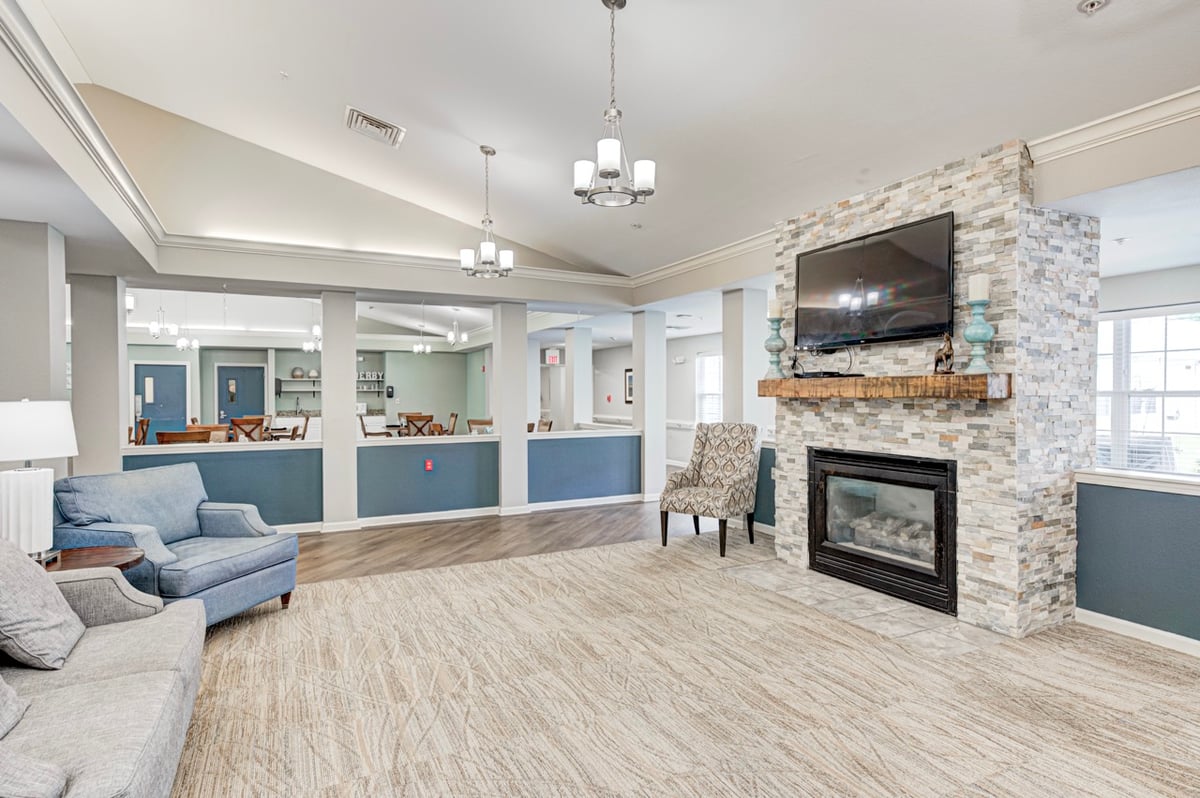
This is where a community like Bennett Place in New Albany can make a real difference. Our associates are on hand around the clock, so your parent is never far from help, day or night. Assisted Living residents enjoy chef-prepared meals in our dining room each day, a courtyard for fresh air, and a full calendar of activities, from a weekly mahjong game to community outings around town. Apartment homes come in suite and one-bedroom layouts, each with a kitchenette, so it still feels like home. With an onsite Director of Health and a caregiving team who get to know each resident personally, families find real peace of mind here, not just a checklist of services.
Fall Prevention After an Incident
Once your parent is on the road to recovery, the focus shifts to keeping the next fall from happening. A few habits go a long way:
- Regular vision and hearing checkups
- A medication review to flag anything affecting balance
- Supportive, non-slip footwear
- Ongoing strength and balance exercises
- Regular check-ins to catch changes early
At Bennett Place, our health and wellness programs build many of these habits right into daily life, so fall prevention doesn't feel like one more thing on the to-do list. It's simply part of the routine, alongside good company and a neighborhood feel that's hard to find elsewhere in New Albany.
A Few Common Questions
How soon should we act after a fall? As soon as possible. Get medical care first, then use the days right after to look closely at safety and daily routines while everything is still fresh.
Does one fall mean it's time to move? Not necessarily. But it's a good moment to pay attention. Repeat falls, or falls tied to other changes in mobility or memory, are a stronger signal that more support could help.
What makes Bennett Place different? It's a small, welcoming community where associates know residents by name, meals are made fresh onsite, and support is available around the clock without feeling clinical or impersonal.
If you're wondering whether your parent could benefit from more support after a fall, we'd love to show you around. Schedule a tour today and see what everyday life looks like at Bennett Place.